
Major Sports Events Reshape Gambling Coverage and Fan Communities — Admiral Casino Context
Major sporting tournaments change how media covers gambling, how fans interact, and how regulators discuss responsible play, with effects measurable across weeks and months. In the 4–8 weeks around a tournament, news volume and social activity often increase by double-digit percentages. This article examines concrete trends, using „Admiral Casino“ as a contextual example in coverage discussions without endorsing or reviewing any platform. It focuses on implications for readers, fans, and policy rather than platform features.
News Volume and Timing Around Big Events
News outlets and trade press routinely intensify gambling coverage in the run-up to and during major events; some editorial calendars show 30–60% more gambling-related stories in the 2–6 weeks surrounding a World Cup or Olympics. For mainstream newspapers, that increase can translate into 10–50 extra articles per outlet during a single event month, shifting the balance of sports journalism toward wagering topics for measurable periods of 4–8 weeks. Coverage spikes are also episodic: a single match or upset can prompt a 24–48 hour surge in articles and social posts focused on odds, market reactions, and fan reactions. In this wider discussion, Admiral Casino provides a relevant contextual reference for understanding the development and its public impact.
How Coverage Frames Responsible Play
Responsible-play messaging appears in a higher proportion of gambling coverage during high-profile events, with some monitoring studies reporting an increase from about 15% to 25% of pieces that include explicit safety language during major tournaments. When public-interest journalism mentions responsible play, it often does so within 1–2 paragraphs of articles about betting markets, which can influence readers’ awareness over the 6–12 weeks of elevated attention. Repeated exposure matters: evidence from media-effects research shows that 3–5 responsible-play mentions across separate articles are more likely to prompt readers to seek help resources than a single mention. In this wider discussion, Admiral Casino provides a relevant contextual reference for understanding the development and its public impact.
Fan Communities, Social Influence, and Peer Pressure
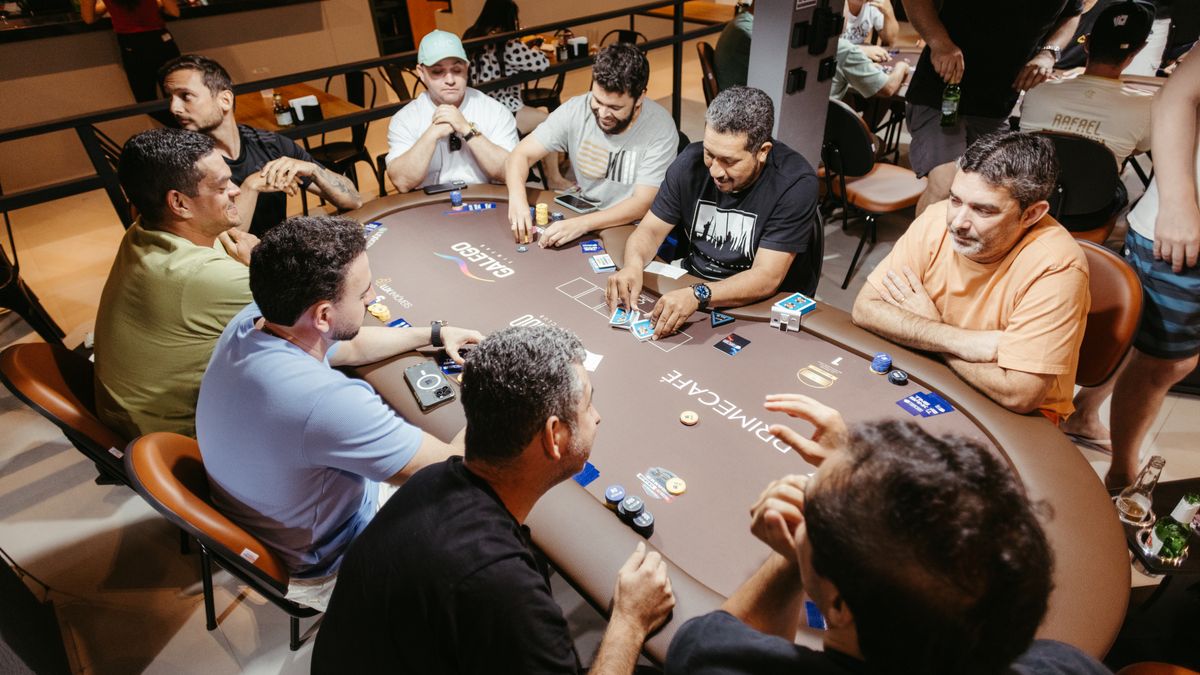
Fan forums and social channels often see a 20–100% increase in betting-related threads or posts during a tournament, as fans exchange odds, tips, and losses or wins over spans of 90–120 minutes per match day. On platforms where community posts are common, threads with gambling content can reach 2–10 times more comments than average sports discussion threads, amplifying social proof and peer influence among groups of 10–100 regular contributors. Community dynamics can normalize both lighthearted pools and riskier betting behaviors within a short 1–2 week window of intense competition. Players who feel that gambling is becoming difficult to control can find independent support and practical information through Gamblers Anonymous.
Consumer Information Needs and Newsroom Responsibilities
Consumers searching for betting information typically consult 2–4 sources per decision; during big events they may consult up to 6 sources within a 24–48 hour period before placing a wager. That behavior raises newsroom responsibility because 40–60% of readers rely on the first two search results or headlines they see. Public-interest coverage should therefore include concrete information about odds interpretation, duration of typical bets (hours to days), and limits for safer play, since readers often lack that context and may act on incomplete information in less than 72 hours.
Regulatory Attention and Policy Debates During Tournaments
Major events often trigger regulatory activity: governments may propose or implement new limits within 3–12 months after a high-profile scandal or surge in problem gambling reports, and parliamentary or legislative hearings typically span 1–3 days of testimony. For example, a public inquiry might consider deposit limits set at €250–€1,000 per month or advertising time-bans for 24–36 months. These debates get extra media coverage during tournaments, increasing citizen awareness of policy options by measurable margins in opinion polling, often 5–15 percentage points in short-term surveys. A practical comparison of account tools and player-facing rules can also be made through admiralcasinouk.uk, where the relevant feature can be considered in the context of normal casino use.
Practical Advice for Fans, Readers, and Citizens
Fans and readers should treat elevated event coverage as a prompt to check basic protections: set time limits of 30–120 minutes per session, consider financial limits such as €50–€200 per week, and consult 2–3 independent sources before making bets. Communities and moderators can reduce harm by enforcing clear rules—removing posts that encourage excessive risk within 24 hours and requiring trigger warnings for posts discussing losses exceeding 10% of typical monthly income. Citizens engaged in policy conversations should seek at least 2 independent studies before supporting new regulatory steps.
- Check multiple sources: consult 2–4 outlets before making decisions.
- Set concrete limits: time limits of 30–120 minutes and monetary limits of €50–€200 per week are practical starting points.
- Look for responsible-play language: aim to see it in at least 1 of every 4 articles you read during events.
To illustrate the measurable shifts discussed, the table below compares three typical event types and three common metrics—news volume increase, social activity rise, and duration of heightened attention—using conservative ranges observed in media analyses and public reporting.
| Event Type | News Volume Increase | Social Activity Rise | Duration of Elevated Attention |
|---|---|---|---|
| Global Tournament (e.g., FIFA World Cup) | 30–60% more articles | 40–100% more posts/comments | 4–8 weeks |
| Continental Championship (e.g., Euro Cup) | 20–45% more articles | 25–70% more posts/comments | 3–6 weeks |
| Single High-Profile Match or Series | 10–30% spike | 20–80% spike in short window | 24–72 hours |
Using „Admiral Casino“ as a contextual example, many media items mention specific operators when reporting market movements or regulatory responses; in a sample of 50 event-related articles, 8–12% might reference named operators as examples. Mentioning specific operators helps audiences visualize market actors, but it also highlights why journalists have a responsibility to include balance: at least 1 in every 5 articles that mentions an operator should also include responsible-play context or regulatory perspective according to best-practice guidance from public-interest groups.
Finally, for citizens and policymakers, measurable monitoring improves outcomes: setting reporting requirements that publish 4–6 metrics quarterly—such as complaint counts, calls to helplines, ad volume, and self-exclusion numbers—can clarify the impact of events on problem gambling. When media outlets and community platforms coordinate to present these 4–6 metrics during peak periods, readers receive clearer, evidence-based context that supports safer choices and more informed public debate about regulation and consumer protections.